Hey there! As a supplier of Zirconium Dioxide Powder, I've been super into how it performs in 3D - printed parts. So, let's dig into this topic together.


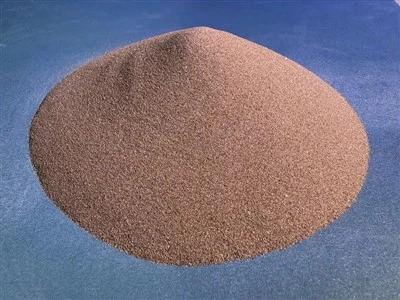
First off, what's Zirconium Dioxide Powder? It's a pretty amazing material. It's also known as zirconia, and it's got some unique properties. Zirconia is super strong and has high hardness. This makes it a top - pick for a lot of industrial uses, especially in 3D printing.
When it comes to 3D - printed parts, one of the key things we look at is mechanical performance. The strength of 3D - printed parts made with Zirconium Dioxide Powder is really impressive. Zirconia has a high fracture toughness, which means the parts can withstand a lot of stress without breaking easily. For example, in aerospace applications, 3D - printed zirconia parts can handle the high - stress environment during flight. They're used in engine components where they need to resist high temperatures and mechanical forces.
The hardness of zirconia also gives 3D - printed parts a long - lasting performance. These parts are resistant to wear and tear. Think about industrial machinery. 3D - printed zirconia components can keep working smoothly for a long time, even when they're in constant contact with other parts. This reduces the need for frequent replacements, which is a huge plus for businesses.
Now, let's talk about thermal properties. Zirconium Dioxide Powder has excellent thermal stability. In 3D - printed parts, this means they can handle high temperatures without deforming. For instance, in the automotive industry, 3D - printed zirconia parts can be used in exhaust systems. These parts need to withstand the high temperatures generated by the engine, and zirconia fits the bill perfectly.
Another great feature of zirconia in 3D printing is its chemical resistance. 3D - printed parts made from this powder are resistant to many chemicals. In the chemical processing industry, these parts can be used in pipelines and reaction vessels. They won't corrode easily when they come into contact with various chemicals, which ensures the safety and efficiency of the whole process.
But it's not just about the big - scale industrial applications. Zirconium Dioxide Powder also has a place in more consumer - oriented 3D - printing endeavors. In the dental industry, 3D - printed zirconia dental crowns and bridges are becoming more and more popular. They're biocompatible, which means they're safe to use in the human body. And because of their strength and durability, they can last for a long time, providing patients with a reliable and aesthetically pleasing solution.
If you're interested in other related products, we also offer Zircon Flour, Zircon Fine Powder, Zirconia Silicate, Monoclinic Zirconia Powder, and Ceramic Zirconium Silicate Powder. These products have their own unique properties and can be used in various applications depending on your needs.
Now, let's talk about the manufacturing process. When it comes to 3D - printing with Zirconium Dioxide Powder, there are a few things to consider. One of the challenges is achieving a uniform distribution of the powder. If the powder isn't evenly distributed, it can lead to defects in the 3D - printed parts. To overcome this, proper mixing techniques are essential. We've spent a lot of time researching and developing the best ways to ensure the powder is mixed well before the 3D - printing process.
The printing parameters also play a crucial role. Things like printing speed, temperature, and layer thickness need to be carefully adjusted. For example, if the printing temperature is too low, the layers might not bond properly, resulting in a weak part. On the other hand, if the temperature is too high, it can cause the powder to burn or warp. So, finding the right balance is key.
Another aspect is post - processing. After the 3D - printing is done, the parts usually need some post - processing steps. This can include heat treatment to improve the mechanical properties further. Heat treatment can help relieve internal stresses in the parts and make them even stronger.
The surface finish of 3D - printed zirconia parts is also something to keep in mind. Depending on the application, you might need a smooth or textured surface. There are techniques available to achieve different surface finishes. For example, polishing can be used to get a smooth surface, which is often required for parts in the medical or optical industries.
In terms of cost - effectiveness, Zirconium Dioxide Powder can offer some great benefits. Although the initial cost of the powder might be a bit higher compared to some other materials, the long - term savings are significant. As mentioned earlier, the durability of 3D - printed zirconia parts means less frequent replacements. This saves money on both materials and labor in the long run.
In addition to all these technical aspects, the use of Zirconium Dioxide Powder in 3D printing also has environmental benefits. 3D printing is generally a more sustainable manufacturing process compared to traditional methods. It produces less waste because you're using only the amount of material needed to create the part. And since zirconia parts last longer, there's less waste generated over time.
So, if you're in the market for high - quality materials for 3D printing, Zirconium Dioxide Powder is definitely worth considering. Whether you're in the aerospace, automotive, dental, or any other industry, it has the potential to meet your needs. And if you have any questions or want to discuss your specific requirements, don't hesitate to reach out. We're here to help you choose the best solution for your 3D - printing projects.
If you're interested in purchasing Zirconium Dioxide Powder or any of our other related products, feel free to contact us for a quote and to start a procurement discussion. We'll work closely with you to understand your needs and provide the best products and services.
References
- Literature on Advanced Ceramics and Their Applications in Manufacturing
- Research Papers on the Properties of Zirconium Dioxide in Additive Manufacturing
- Case Studies on Successful Implementations of 3D - Printed Zirconia Parts in Various Industries