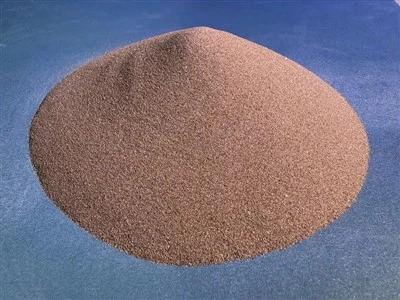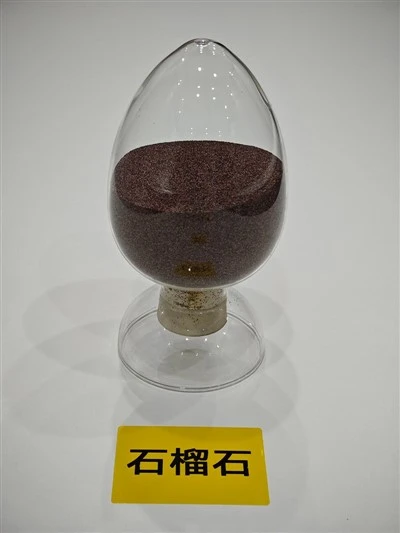
Zircon micropowder is a highly versatile material with a wide range of applications in various industries, including ceramics, refractories, foundry, and electronics. As a leading supplier of zircon micropowder, I often encounter the question: Is zircon micropowder a natural or synthetic material? In this blog post, I will delve into the nature of zircon micropowder, exploring its origins, production processes, and properties to provide a comprehensive answer.


The Origin of Zircon
Zircon, the primary raw material for zircon micropowder, is a natural mineral that has been present on Earth for billions of years. Chemically, it is zirconium silicate (ZrSiO₄), and it forms in igneous, metamorphic, and sedimentary rocks. Zircon crystals are typically found in small, well - shaped forms, and their colors can range from colorless to yellow, brown, red, and blue, depending on the presence of trace elements such as hafnium, uranium, and thorium.
The natural occurrence of zircon is widespread. It can be found in beach sands, riverbeds, and hard rock deposits around the world. Major zircon - producing countries include Australia, South Africa, the United States, and India. These deposits are often the result of geological processes over long periods, where zircon has been concentrated through weathering, erosion, and sedimentation.
Natural Zircon Micropowder
Natural zircon micropowder is produced by processing natural zircon minerals. The production process generally starts with the extraction of zircon from its ore deposits. Once mined, the zircon ore undergoes a series of processing steps to remove impurities and reduce the particle size to the desired micropowder form.
The beneficiation process typically includes crushing, grinding, magnetic separation, electrostatic separation, and flotation. Crushing and grinding are used to break down the large zircon ore chunks into smaller particles. Magnetic separation is employed to remove magnetic minerals such as ilmenite and magnetite, while electrostatic separation helps in separating zircon from other non - magnetic minerals based on their electrical conductivity. Flotation is used to further purify the zircon concentrate, removing remaining impurities such as rutile and quartz.
After beneficiation, the zircon concentrate is further ground into micropowder using specialized grinding equipment such as ball mills or jet mills. The resulting natural zircon micropowder retains many of the characteristics of the original zircon mineral, including its high melting point, good chemical stability, and low thermal expansion coefficient.
Synthetic Zircon Micropowder
In addition to natural zircon micropowder, synthetic zircon micropowder can also be produced. The synthesis of zircon micropowder usually involves the reaction of zirconium compounds and silicon compounds under specific conditions.
One common method for synthesizing zircon is the solid - state reaction. In this process, zirconium oxide (ZrO₂) and silica (SiO₂) are mixed in the appropriate stoichiometric ratio and heated at high temperatures (usually above 1400°C). The high - temperature reaction causes the zirconium oxide and silica to react and form zircon (ZrSiO₄). The resulting product is then ground into micropowder.
Another method is the sol - gel process. In the sol - gel process, zirconium alkoxides and silicon alkoxides are used as precursors. These precursors are dissolved in a suitable solvent, and hydrolysis and condensation reactions are carried out to form a gel. The gel is then dried and calcined to obtain zircon. The sol - gel process can produce high - purity and uniformly sized zircon micropowder with excellent properties.
Comparison between Natural and Synthetic Zircon Micropowder
Natural and synthetic zircon micropowders have both similarities and differences in terms of their properties and applications.
Chemical Composition
Natural zircon micropowder may contain trace amounts of impurities such as hafnium, uranium, and thorium, which are present in the natural zircon ore. In contrast, synthetic zircon micropowder can be designed to have a very high purity level, with minimal impurities. This makes synthetic zircon micropowder more suitable for applications where high purity is required, such as in the electronics industry.
Physical Properties
Both natural and synthetic zircon micropowders have high melting points and good chemical stability. However, synthetic zircon micropowder may have more uniform particle size distribution and better crystallinity due to the controlled synthesis process. This can result in improved performance in some applications, such as in the production of high - quality ceramics.
Cost
The cost of natural and synthetic zircon micropowder can vary significantly. Natural zircon micropowder is generally more cost - effective as it relies on the abundant natural zircon resources. The production process of natural zircon micropowder is also relatively straightforward in comparison. On the other hand, the production of synthetic zircon micropowder involves complex chemical reactions and high - temperature processes, which make it more expensive.
Applications of Zircon Micropowder
Regardless of whether it is natural or synthetic, zircon micropowder has a wide range of applications.
Foundry Industry
In the foundry industry, zircon micropowder is used as a molding material. Its high melting point and low thermal expansion coefficient make it an ideal choice for casting high - quality metal parts. You can learn more about foundry applications by visiting the page on Foundry Zircon Sand.
Refractory Industry
Zircon micropowder is also widely used in the refractory industry. It can increase the thermal shock resistance and corrosion resistance of refractory materials. The products like Refractory Zircon Powder play a crucial role in high - temperature applications such as furnaces and kilns.
Ceramics and Glass Industry
In the ceramics and glass industry, zircon micropowder is used as an opacifier and a strengthening agent. It can improve the whiteness, hardness, and chemical durability of ceramics and glass products.
Electronics Industry
Synthetic zircon micropowder, with its high purity and excellent properties, is often used in the electronics industry. It can be used in the production of electronic components such as capacitors and sensors.
Our Offerings as a Zircon Micropowder Supplier
As a zircon micropowder supplier, we offer both natural and synthetic zircon micropowder to meet the diverse needs of our customers. Our natural zircon micropowder is sourced from high - quality natural zircon deposits and processed using advanced beneficiation and grinding technologies to ensure high purity and consistent quality.
We also have the capability to produce synthetic zircon micropowder with precise control over its chemical composition and physical properties. Our synthetic zircon micropowder is suitable for high - end applications where strict quality requirements are needed.
In addition to zircon micropowder, we also supply related products such as Zirconium Concentrate, Zircon Concentrate, and Composite Zircon Powder. These products can be used in combination with zircon micropowder to further enhance the performance of various materials.
Contact Us for Procurement
If you are interested in purchasing zircon micropowder or any of our related products, we encourage you to contact us for more information and to discuss your specific requirements. We are committed to providing high - quality products, competitive prices, and excellent customer service. Whether you need natural or synthetic zircon micropowder, we have the expertise and resources to meet your needs.
References
- Deer, W. A., Howie, R. A., & Zussman, J. (1992). Rock - forming minerals: Single - chain silicates. Geological Society of London.
- West, A. R. (1984). Solid state chemistry and its applications. Wiley.
- Roy, D. M., & Roy, R. (1974). The chemistry of clays and clay minerals. Mineralogical Society of America.