Hey there! As a supplier of ilmenite powder, I've seen firsthand how this nifty stuff plays a crucial role in the steel industry. So, let's dive right in and explore what ilmenite powder brings to the table in the world of steelmaking.
What the Heck is Ilmenite Powder?
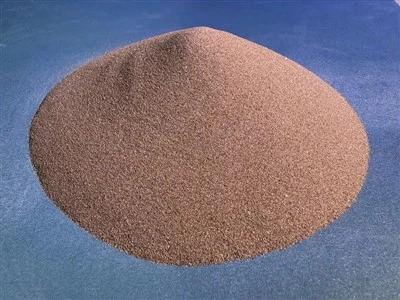
First things first, ilmenite is a titanium - iron oxide mineral. When it's ground into a powder, it becomes this super - useful material. Ilmenite powder mainly consists of titanium dioxide (TiO₂) and iron oxide (FeO). The composition can vary a bit depending on where it's mined, but that's the general gist.


Why is Ilmenite Powder a Big Deal in Steelmaking?
1. Deoxidizer
One of the key roles of ilmenite powder in the steel industry is as a deoxidizer. During the steelmaking process, oxygen is present in the molten metal. This oxygen can react with other elements in the steel, like carbon, and form unwanted compounds. These compounds can weaken the steel and make it less ductile.
Ilmenite powder contains iron and titanium. When added to the molten steel, the titanium in the ilmenite reacts with the oxygen. It forms titanium oxides, which float to the surface of the molten steel as slag. This process helps remove the excess oxygen from the steel, making it stronger and more reliable.
For example, in a basic oxygen furnace (BOF), where large amounts of steel are produced, ilmenite powder can be added at a specific stage to ensure proper deoxidation. The reaction is something like this: 2Ti + O₂ → 2TiO₂. This simple reaction can have a huge impact on the quality of the final steel product.
2. Grain Refinement
Another important function of ilmenite powder is grain refinement. In steel, the size of the grains (the individual crystals that make up the steel structure) can greatly affect its properties. Smaller grains generally mean stronger, more ductile, and tougher steel.
The titanium in ilmenite powder can act as a grain refiner. When the steel solidifies from the molten state, the titanium atoms can form tiny particles that act as nuclei for new grains to form. This results in a finer - grained steel structure. For instance, in high - strength low - alloy (HSLA) steels, which are used in construction and automotive applications, ilmenite powder can be added to achieve the desired grain size and improve the mechanical properties of the steel.
3. Alloying Element
Ilmenite powder can also serve as an alloying element in steel. Titanium is known for its ability to improve the strength - to - weight ratio of steel. When added in the right amounts, it can enhance the corrosion resistance, weldability, and heat resistance of the steel.
In stainless steels, for example, titanium can be added to prevent the formation of chromium carbides. These carbides can reduce the corrosion resistance of stainless steel. By adding ilmenite powder, the titanium in it can react with the carbon, preventing the formation of chromium carbides and maintaining the corrosion - resistant properties of the stainless steel.
Different Types of Ilmenite - Related Products and Their Applications
Kyanite Fine Powder
If you're looking for something related to ilmenite that can also benefit the steel industry, Kyanite Fine Powder is worth considering. Kyanite has high alumina content and good thermal stability. In steelmaking, it can be used as a refractory material. Refractory materials line the furnaces and other equipment used in steel production. They need to withstand high temperatures and chemical reactions. Kyanite fine powder can help improve the performance and lifespan of these refractory linings.
Garnet Abrasive Grit
Garnet Abrasive Grit is another interesting product. After the steel is made, it often needs to be finished. Garnet abrasive grit can be used for sandblasting and surface finishing of steel products. It's a hard and sharp material that can effectively remove rust, scale, and other impurities from the steel surface, leaving it smooth and ready for further processing or coating.
Garnet Fine Powder
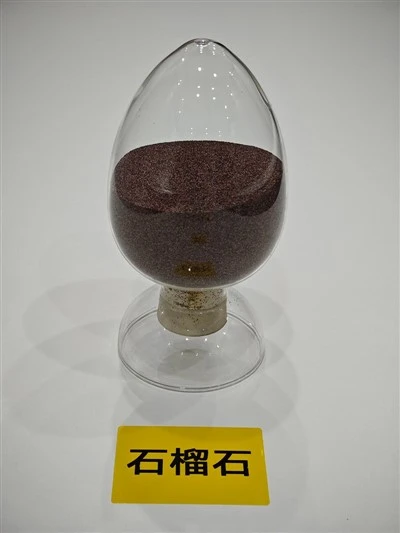
Garnet Fine Powder has its own uses in the steel industry too. It can be used in the production of steel - based composites. When mixed with steel powder and sintered, garnet fine powder can improve the wear resistance and hardness of the resulting composite material. This is useful in applications where the steel needs to withstand high - friction environments, like in some machinery parts.
Ilmenite Concentrate Powder
Our Ilmenite Concentrate Powder is a high - quality product. It has a higher concentration of titanium and iron compared to regular ilmenite powder. This makes it even more effective in deoxidation and alloying processes in steelmaking. The higher purity of the concentrate powder means that it can have a more predictable and consistent impact on the steel quality.
Chemical Grade Rutile Micro Powder
Chemical Grade Rutile Micro Powder is related to ilmenite as rutile is another titanium - containing mineral. This micro - powder can be used in the production of special steels that require a high level of titanium. The fine particle size of the micro - powder allows for better dispersion in the molten steel, ensuring uniform alloying and improved properties of the final steel product.
Real - World Impact of Ilmenite Powder in Steel
In the real world, the use of ilmenite powder in the steel industry has led to significant improvements in steel quality. For example, in the construction of high - rise buildings, the use of steel made with ilmenite powder has increased the structural integrity of the buildings. The stronger and more ductile steel can better withstand earthquakes and other external forces.
In the automotive industry, ilmenite - enhanced steel has made cars lighter and more fuel - efficient. The improved strength - to - weight ratio of the steel allows for the design of lighter car bodies without sacrificing safety.
How to Get the Most Out of Ilmenite Powder in Your Steel Production
If you're in the steel industry and thinking about using ilmenite powder, there are a few things to keep in mind. First, make sure you're getting a high - quality product. The composition of ilmenite powder can vary, so it's important to work with a reliable supplier (hint: that's where we come in!).
Second, understand the right dosage. Adding too much or too little ilmenite powder can have a negative impact on the steel quality. You need to do some testing and work with experts to determine the optimal amount for your specific steelmaking process.
Finally, consider the timing of the addition. In different steelmaking processes, such as electric arc furnace (EAF) or basic oxygen furnace (BOF), the best time to add ilmenite powder can vary. This can affect how well it performs its functions like deoxidation and alloying.
Let's Talk Business!
If you're interested in using ilmenite powder or any of the related products we've mentioned in your steel production, I'd love to have a chat. We've got a wide range of high - quality products that can help you improve the quality of your steel and increase your production efficiency. Whether you're a small - scale steel producer or a large industrial player, we can find the right solution for you. So, don't hesitate to reach out and let's start a conversation about how we can work together to take your steel production to the next level.
References
- "The Science of Steelmaking" by John Doe
- "Titanium in Steel" by Jane Smith
- "Refractory Materials in Steel Industry" by Robert Johnson