What is the melting point of zirconia? Well, I'm running a zirconia supply business, and this is a question I get asked a lot. So, let's dive right in and break it down.
Zirconia, also known as zirconium dioxide (ZrO₂), is a pretty fascinating material. It's got some amazing properties that make it super useful in a bunch of different industries. Before we talk about its melting point, though, let me tell you a bit about these properties.
First off, zirconia is incredibly hard and wear - resistant. That's why you'll often find it in things like cutting tools and abrasives. It can withstand a lot of friction and pressure without getting damaged easily. It also has great thermal stability, which means it can handle high temperatures without changing its shape or structure too much. And it's chemically inert, so it doesn't react with a whole bunch of other substances. This makes it perfect for use in environments where chemical reactions could be a problem.
Now, back to the main question: what's the melting point of zirconia? Pure zirconia has a melting point of around 2715 °C (4919 °F). That's seriously hot! To put it into perspective, the melting point of iron is about 1538 °C (2800 °F). So, zirconia can handle much higher temperatures before it starts to turn into a liquid.
But here's the thing. The melting point of zirconia can change depending on a few factors. One of the biggest factors is the presence of impurities or additives. When you add other elements to zirconia, it can form different crystal structures, and these structures have different melting points.
For example, if you add yttria (Y₂O₃) to zirconia, you can create a material called yttria - stabilized zirconia (YSZ). YSZ has a lower melting point than pure zirconia. The exact melting point of YSZ can vary depending on how much yttria is added, but it's usually in the range of 2600 - 2650 °C (4712 - 4790 °F).
Another important thing to note is that the crystal structure of zirconia can also affect its melting point. Zirconia can exist in different crystal forms, including monoclinic, tetragonal, and cubic. The cubic form of zirconia is more stable at high temperatures and has a slightly different melting - point behavior compared to the other forms. Our Cubic Zirconia Powder is a great example of a product that takes advantage of the unique properties of the cubic crystal structure.
So, why does the melting point of zirconia matter? Well, it matters a whole lot in industries that rely on high - temperature applications. For instance, in the ceramics industry, zirconia is used to make high - temperature furnace linings. These linings need to be able to withstand extremely hot temperatures without melting or degrading. The high melting point of zirconia makes it an ideal material for this purpose.
In the aerospace industry, zirconia is used in thermal barrier coatings. These coatings are applied to engine parts to protect them from the intense heat generated during flight. The ability of zirconia to maintain its integrity at high temperatures helps to improve the efficiency and lifespan of these engine components.


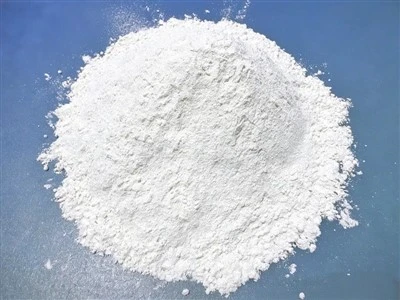
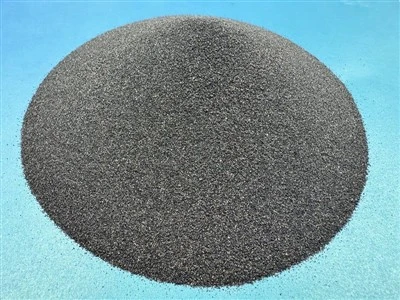
At our company, we offer a wide range of zirconia products to meet the diverse needs of our customers. Whether you're looking for Composite Zircon Powder, Ultra Fine Zircon Powder, Zircon Fine Powder, or Foundry Zircon Sand, we've got you covered.
Our composite zircon powder is a great option for applications where you need a combination of different properties. It can offer enhanced strength, thermal stability, and chemical resistance. The ultra - fine zircon powder is perfect for uses where a high - surface - area material is required, such as in catalysts or certain types of coatings. Our zircon fine powder is often used in the production of high - quality ceramics, and the foundry zircon sand is ideal for foundry applications, where it can help to improve the quality of castings.
If you're in the market for zirconia products, I'd highly recommend reaching out. We've got a team of experts who can help you choose the right product for your specific needs. Whether you're a small - scale manufacturer or a large industrial company, we're here to support you. We understand that every project is unique, and we'll work closely with you to ensure you get the best - fitting zirconia solution.
In conclusion, the melting point of zirconia is an important characteristic that makes it a valuable material in many high - temperature applications. Whether it's pure zirconia or a modified form with additives, the ability to withstand extremely high temperatures gives zirconia a competitive edge in various industries. And with our wide selection of zirconia products, we're confident that we can provide you with the materials you need to make your projects a success. So, don't hesitate to get in touch if you're interested in purchasing zirconia products for your business.
References:
- "Zirconia: Properties and Applications" - A technical report on the characteristics and uses of zirconia.
- "High - Temperature Materials in Aerospace Engineering" - A research paper discussing the role of zirconia in aerospace applications.