Can ceramic glaze materials be used on ceramic plates? That's a question I get asked a lot as a supplier of Ceramic Glaze Materials. And the answer is a resounding yes! Let me break it down for you.
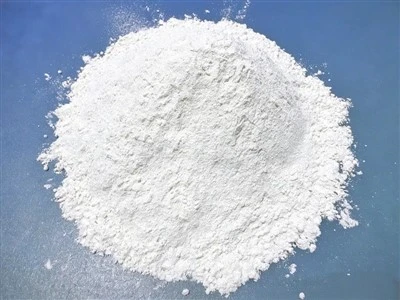
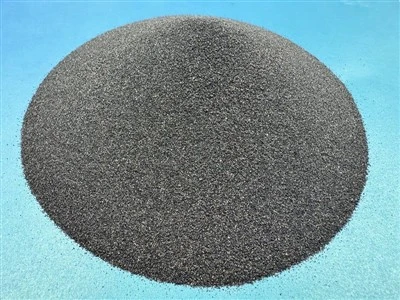
First off, what are ceramic glaze materials? Well, they're basically a mixture of chemicals that, when applied to a ceramic surface and fired, create a hard, glass - like coating. These materials can come in all sorts of forms and colors, and they serve multiple purposes.
Why Use Glaze on Ceramic Plates?
One of the main reasons to use ceramic glaze materials on ceramic plates is for aesthetics. A well - glazed plate can look stunning. The glaze can add a shiny, smooth finish, or it can create a matte look. You can get all kinds of colors, from bright and bold to soft and pastel. It's like giving your plate a whole new personality.
For example, a deep blue glaze can make a plate look elegant and sophisticated, while a bright red glaze can add a pop of color to your dining table. And if you're into more rustic or artsy looks, you can choose a glaze that creates a crackled or textured effect.
But it's not just about looks. Glaze also has practical benefits. It makes the plate easier to clean. The smooth, glassy surface of the glaze doesn't allow food and dirt to stick as easily as an unglazed ceramic surface. So, you can just give it a quick wash, and it'll be good as new.
Another important aspect is durability. Glaze acts as a protective layer for the ceramic plate. It helps prevent scratches and chips, which means your plates will last longer. This is especially important if you use your plates regularly or if you have a busy household.
Types of Ceramic Glaze Materials for Plates
There are different types of ceramic glaze materials that can be used on plates. Some are lead - free, which is great if you're concerned about safety, especially since plates are used for food. Lead - free glazes are a popular choice for modern ceramic tableware.
There are also different firing temperatures for glazes. Low - fire glazes are fired at relatively lower temperatures, usually around 1800°F (982°C). These glazes are often used for more decorative plates or for projects where you don't need a super - durable finish.
High - fire glazes, on the other hand, are fired at much higher temperatures, sometimes up to 2400°F (1316°C). They create a very hard and durable finish, which is perfect for plates that will be used frequently.
The Application Process
Applying ceramic glaze materials to plates is a bit of an art. First, the plate needs to be clean and dry. Any dust or debris on the surface can affect the way the glaze adheres.
There are a few different ways to apply the glaze. One common method is dipping. You simply dip the plate into a container of glaze. This gives an even coating, but it can be a bit messy.
Another method is brushing. Using a brush, you can carefully apply the glaze to the plate. This allows for more control, especially if you want to create a specific design or pattern.
After the glaze is applied, the plate needs to be fired in a kiln. The firing process is crucial because it's what turns the glaze into that hard, glassy finish. The temperature and duration of the firing depend on the type of glaze being used.
Compatibility with Other Ceramic Materials
As a supplier, I often get questions about how ceramic glaze materials work with other Ceramic Raw Materials. The good news is that they're generally very compatible.
The base ceramic material of the plate, which is usually made from clay, provides a good surface for the glaze to bond to. However, it's important to make sure that the clay and the glaze are formulated to work together. For example, some clays may shrink more during firing than others, and this can cause the glaze to crack if it's not compatible.
Sanitary Ware and Glaze
You might be wondering how Sanitary Ware Raw Material relates to ceramic plates and glaze. While sanitary ware and plates are different products, the principles of glazing are similar.
In both cases, the glaze is used to create a smooth, easy - to - clean surface. However, the requirements for sanitary ware glazes may be a bit different. For example, they need to be more resistant to chemicals and stains because they're used in bathrooms and kitchens.
Opacifiers in Glaze
Ceramic Opacifiers Powder is another important component in ceramic glaze materials for plates. Opacifiers are used to make the glaze opaque. This can be useful if you want to cover up the color of the base ceramic material or if you want to create a more solid - looking color in the glaze.
For example, if you're using a white opacifier in a blue glaze, it can make the blue look more vibrant and less transparent. Opacifiers also help to improve the overall quality and appearance of the glaze.
Safety Considerations
When it comes to using ceramic glaze materials on plates, safety is a top concern. As I mentioned earlier, lead - free glazes are a great option. But it's also important to make sure that the glaze is food - safe.
This means that the glaze should not leach any harmful chemicals into the food. Reputable suppliers, like us, test our glazes to ensure that they meet food - safety standards. So, you can have peace of mind knowing that your plates are safe to use.
Conclusion
In conclusion, ceramic glaze materials can definitely be used on ceramic plates. They offer both aesthetic and practical benefits, from making your plates look beautiful to making them easier to clean and more durable.


If you're in the market for high - quality ceramic glaze materials for your plate - making projects, we're here to help. We have a wide range of glazes, including lead - free options, and we can provide you with all the information you need to make the right choice. Whether you're a professional ceramicist or a hobbyist, we're ready to assist you. Contact us to start a discussion about your ceramic glaze material needs and let's work together to create amazing ceramic plates!
References
- "Ceramics: Science and Technology" by W. D. Kingery, H. K. Bowen, and D. R. Uhlmann
- "The Complete Potter's Handbook" by Janet C. Levy