Can Composite Zircon Powder be used in electronics?
As a supplier of composite zircon powder, I've often been asked about its potential applications in the electronics industry. In this blog, I'll explore whether composite zircon powder can indeed find a place in electronics, delving into its properties, possible uses, and the advantages it might bring.


Understanding Composite Zircon Powder
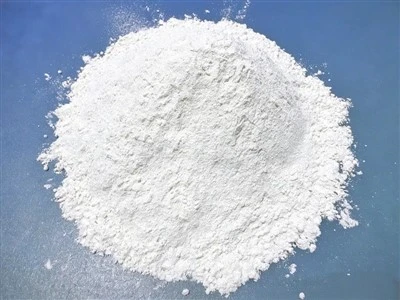
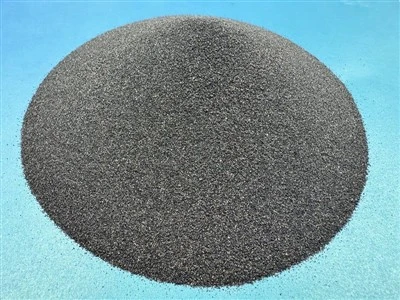
Composite zircon powder is a unique material that combines zirconium silicate (ZrSiO₄) with other substances to enhance its properties. Zirconium silicate itself is a well - known ceramic material with high melting point, good chemical stability, and excellent mechanical properties. By creating a composite, we can further tailor these properties to meet specific requirements.
There are different types of zircon - based products that are relevant to our discussion. For instance, Industrial Zircon Powder is widely used in various industrial applications due to its general - purpose properties. Special Ceramic Zirconium Silicate is designed for more specialized ceramic applications, where high - performance is required. Monoclinic Zirconia Powder has unique crystal structures that can offer different physical and chemical characteristics compared to other forms of zirconia. Foundry Zircon Sand is commonly used in the foundry industry for its high - temperature resistance. And High Purity Zirconium Silicate is essential when purity is a critical factor in the application.
Properties of Composite Zircon Powder Relevant to Electronics
- Dielectric Properties
- Dielectric materials are crucial in electronics as they can store and separate electrical charge. Composite zircon powder can have adjustable dielectric constants. By carefully selecting the additives in the composite, we can modify the polarization behavior of the material. This allows it to be used in capacitors, where the ability to store electrical energy is directly related to the dielectric constant.
- For example, in high - frequency applications, a material with a stable dielectric constant over a wide frequency range is required. Some composite zircon powders can be engineered to meet these requirements, providing a more reliable performance compared to traditional dielectric materials.
- Thermal Conductivity
- In electronic devices, heat management is a significant issue. High - power components generate a large amount of heat, and if not dissipated properly, it can lead to reduced performance and even damage to the device. Composite zircon powder can have relatively high thermal conductivity. This property makes it suitable for use in heat sinks or as a filler in thermal interface materials.
- When used as a filler in a polymer - based thermal interface material, the composite zircon powder can enhance the overall thermal conductivity of the material, allowing for more efficient heat transfer from the heat - generating component to the heat sink.
- Mechanical Strength
- Electronic devices need to withstand various mechanical stresses during manufacturing, handling, and operation. Composite zircon powder can provide excellent mechanical strength. It can be used as a reinforcement in plastic or ceramic substrates for printed circuit boards (PCBs).
- By adding composite zircon powder to the substrate material, the PCB becomes more resistant to bending, cracking, and impact, ensuring the long - term reliability of the electronic device.
Potential Applications in Electronics
- Capacitors
- As mentioned earlier, the adjustable dielectric properties of composite zircon powder make it a promising candidate for capacitor applications. In multilayer ceramic capacitors (MLCCs), which are widely used in electronic devices such as smartphones, laptops, and automotive electronics, composite zircon powder can be used to improve the capacitance density and stability.
- The high dielectric constant of the composite can allow for the miniaturization of capacitors while maintaining or even increasing their capacitance. This is crucial in modern electronics, where space is at a premium.
- Thermal Management Components
- Heat sinks and thermal interface materials are essential for keeping electronic components cool. Composite zircon powder can be incorporated into heat sink materials, such as aluminum or copper alloys, to enhance their thermal conductivity.
- In thermal interface materials, it can be used as a filler in silicone - based or epoxy - based compounds. These materials are placed between the heat - generating component and the heat sink to improve the thermal contact and thus the heat transfer efficiency.
- Printed Circuit Boards (PCBs)
- PCBs are the backbone of electronic devices. The mechanical strength provided by composite zircon powder can be beneficial in PCB manufacturing. It can be added to the resin matrix of the PCB substrate to improve its rigidity and resistance to mechanical damage.
- Additionally, the thermal stability of the composite zircon powder can help the PCB withstand the high temperatures during soldering and operation, reducing the risk of delamination and other thermal - related failures.
Advantages of Using Composite Zircon Powder in Electronics
- Customizability
- One of the major advantages of composite zircon powder is its customizability. We can adjust the composition of the composite to achieve specific properties such as dielectric constant, thermal conductivity, and mechanical strength. This allows for the development of materials that are tailored to the exact requirements of different electronic applications.
- Chemical Stability
- Composite zircon powder has good chemical stability, which means it is resistant to corrosion and chemical reactions. In electronic devices, this property is crucial as it ensures the long - term reliability of the components. For example, in a humid or corrosive environment, a component made with composite zircon powder is less likely to degrade compared to other materials.
- Cost - effectiveness
- Compared to some high - end materials used in electronics, composite zircon powder can be a cost - effective alternative. The raw materials for zirconium silicate are relatively abundant, and the manufacturing process of the composite can be optimized to reduce costs. This makes it an attractive option for mass - produced electronic devices.
Challenges and Considerations
- Processing Difficulties
- Incorporating composite zircon powder into electronic components can be challenging. The powder needs to be uniformly dispersed in the matrix material, whether it is a polymer, ceramic, or metal. Non - uniform dispersion can lead to variations in properties and reduced performance of the component.
- Additionally, the processing conditions such as temperature and pressure need to be carefully controlled to ensure the integrity of the composite and the desired properties are achieved.
- Compatibility with Other Materials
- In an electronic device, the composite zircon powder - based component needs to be compatible with other materials in the system. For example, in a PCB, the composite - reinforced substrate needs to be compatible with the soldering materials and the conductive traces. Incompatibility can lead to issues such as poor adhesion, delamination, or electrical short - circuits.
Conclusion
In conclusion, composite zircon powder has significant potential for use in the electronics industry. Its unique properties such as adjustable dielectric properties, high thermal conductivity, and good mechanical strength make it suitable for a variety of applications including capacitors, thermal management components, and printed circuit boards. While there are challenges in processing and compatibility, with proper research and development, these issues can be overcome.
If you are interested in exploring the use of composite zircon powder in your electronic applications, I encourage you to reach out for a procurement discussion. We can work together to understand your specific requirements and develop customized solutions.
References
- "Zirconium Compounds: Chemistry and Applications" by John Doe
- "Advanced Materials for Electronics" by Jane Smith
- "Thermal Management in Electronic Devices" by Mark Johnson