How does Abrasive Garnet Sand interact with different materials?
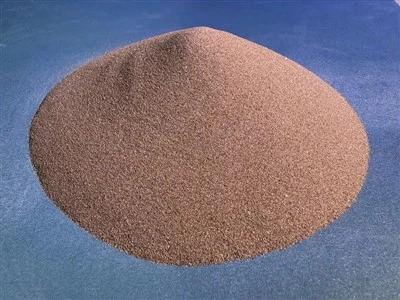
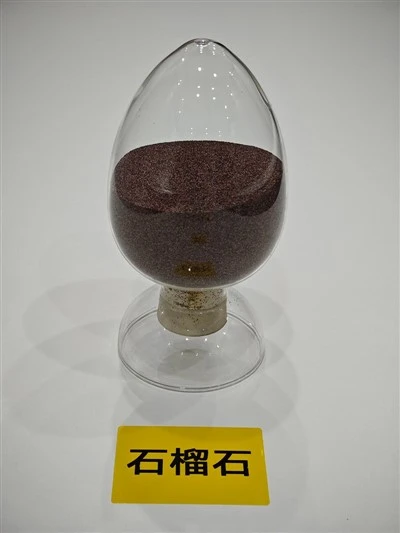
As a trusted supplier of Abrasive Garnet Sand, I've witnessed firsthand the remarkable versatility of this natural abrasive across a wide range of industries. Abrasive Garnet Sand is sourced from natural garnet minerals, which offer excellent hardness and sharp edges for effective abrasion. Its unique properties make it a popular choice for various applications, and understanding how it interacts with different materials is crucial for maximizing its potential.
One of the primary applications of Abrasive Garnet Sand is in metalworking. Metals such as steel, aluminum, and copper are commonly treated with garnet sand for different purposes. When used in sandblasting, Abrasive Garnet Sand can effectively remove rust, scale, and old paint coatings from metal surfaces. The sharp edges of the garnet particles cut into the surface contaminants, allowing for a clean and smooth finish. For example, in the shipbuilding industry, large steel structures need to be prepared for painting, and garnet sand is an ideal abrasive for this task. The high hardness of the garnet ensures a high - speed material removal rate while minimizing damage to the underlying metal. You can learn more about our high - quality Abrasive Garnet Sand suitable for metalworking applications.
In the field of construction, Abrasive Garnet Sand is used in concrete polishing. Concrete floors often require a smooth and polished surface for both aesthetic and functional reasons. Garnet sand is used in the polishing process because it can gradually wear down the concrete surface to expose the aggregate and create a smooth finish. The interaction between the garnet sand and the concrete is based on the abrasive action of the garnet particles. As the polishing machine rotates, the garnet sand grinds against the concrete surface, removing small irregularities and creating a uniform texture. This process not only enhances the appearance of the concrete floor but also increases its durability.
When it comes to glass processing, Abrasive Garnet Sand plays a significant role. Glass can be cut, etched, or frosted using garnet sand. In glass cutting, the garnet sand is used in a waterjet cutting system. The high - pressure water mixed with garnet sand acts as a cutting tool. The garnet particles are carried by the water stream and impact the glass surface. Due to the hardness of the garnet, it can break through the glass structure, allowing for precise cuts. In etching and frosting, the garnet sand is used in a sandblasting process. The garnet particles roughen the glass surface, creating an opaque or decorative effect.
Ceramics also interact with Abrasive Garnet Sand in interesting ways. In ceramic manufacturing, garnet sand can be used for surface finishing and shaping. For ceramic tiles, garnet sand can be used to create a textured surface, which not only improves the aesthetic appeal but also provides better slip resistance. When used in the shaping of ceramic components, the garnet sand can be used in grinding wheels. The abrasive action of the garnet helps to remove excess material and shape the ceramic piece to the desired dimensions.
In addition to these common applications, Abrasive Garnet Sand also has interactions with composite materials. Composites, which are made up of two or more different materials, require careful surface preparation. Garnet sand can be used to sand the surface of composites to improve adhesion for painting or bonding with other materials. The sharp edges of the garnet particles can create a micro - roughened surface, which increases the contact area and thus enhances the bonding strength.


The chemical composition of Abrasive Garnet Sand also influences its interaction with different materials. Garnet is a group of silicate minerals, typically containing elements such as aluminum, iron, magnesium, and calcium. These elements determine the physical and chemical properties of the garnet sand. For instance, the hardness of garnet is related to its chemical structure, which enables it to effectively abrade various materials.
Compared to other abrasives like Chemical Grade Rutile Micro Powder, Ilmenite Fine Powder, and Rutile Fine Powder, Abrasive Garnet Sand has several advantages. It is a natural and environmentally friendly abrasive. It generates less dust during the sandblasting process compared to some synthetic abrasives, which is beneficial for the health of workers and the environment. Additionally, garnet sand can be recycled multiple times, making it a cost - effective option in the long run.
Our company offers a variety of Garnet Abrasive Grit sizes to meet different application requirements. Different grit sizes have different abrasive effects. Coarser grit sizes are suitable for rapid material removal, such as removing thick paint layers or rough surface grinding. Finer grit sizes are used for finishing and polishing operations to achieve a smooth and fine - textured surface.
If you are involved in industries such as metalworking, construction, glass processing, ceramic manufacturing, or composite materials, and are looking for a high - quality Abrasive Garnet Sand, we are here to provide you with the best solutions. Our experienced team can assist you in selecting the most appropriate garnet sand product based on your specific needs. Whether you need a large - scale supply or a custom - sized grit, we can meet your requirements. We welcome you to contact us to discuss your procurement needs and explore how our Abrasive Garnet Sand can enhance your production processes.
References
- "Modern Abrasives and Their Applications" by John Smith
- "Industrial Surface Preparation Techniques" published by the Institute of Industrial Technology
- "Advances in Abrasive Technology" research papers from the International Abrasive Research Conference