Ceramic materials have long been recognized for their versatility and unique properties, making them indispensable in a wide range of applications. In the realm of microwave devices, these materials play a crucial role, offering a multitude of benefits that enhance performance, efficiency, and reliability. As a leading supplier of ceramic materials, we are well-versed in the diverse uses of these materials in microwave technology and are excited to share our insights with you.
Dielectric Properties and Resonance
One of the primary uses of ceramic materials in microwave devices is their exceptional dielectric properties. Dielectrics are materials that can store and transmit electrical energy without conducting it. Ceramics, with their high dielectric constants and low loss tangents, are ideal for applications where efficient energy transfer and minimal signal loss are essential.
In microwave resonators, for example, ceramic materials are used to create resonant cavities that can trap and amplify electromagnetic waves at specific frequencies. These resonators are critical components in microwave filters, oscillators, and amplifiers, where they help to select and control the frequency of the microwave signals. The high dielectric constant of ceramics allows for the design of compact resonators with high quality factors, which results in improved performance and reduced size of the microwave devices.
Thermal Management
Microwave devices generate a significant amount of heat during operation, which can affect their performance and reliability. Ceramic materials, with their excellent thermal conductivity and high melting points, are well-suited for thermal management applications in microwave devices.
In microwave power amplifiers, for instance, ceramic substrates are used to dissipate heat away from the active components. These substrates act as heat sinks, transferring the heat generated by the transistors and other components to the surrounding environment. The high thermal conductivity of ceramics ensures efficient heat transfer, preventing overheating and extending the lifespan of the microwave devices.
Packaging and Insulation
Ceramic materials are also widely used in the packaging and insulation of microwave devices. Their high mechanical strength, chemical stability, and electrical insulation properties make them ideal for protecting the sensitive components of the devices from environmental factors and electrical interference.
In microwave integrated circuits (MICs), ceramic packages are used to house the active and passive components. These packages provide a hermetic seal, protecting the components from moisture, dust, and other contaminants. The electrical insulation properties of ceramics prevent electrical leakage and interference, ensuring the reliable operation of the MICs.


Antenna Design
Ceramic materials are increasingly being used in the design of microwave antennas. Their unique electrical and mechanical properties allow for the creation of antennas with high gain, low loss, and compact size.
In patch antennas, for example, ceramic substrates are used to support the radiating elements. The high dielectric constant of ceramics allows for the design of smaller antennas with the same electrical performance as larger antennas made of other materials. This makes ceramic patch antennas ideal for applications where space is limited, such as in mobile devices and wireless communication systems.
Our Product Offerings
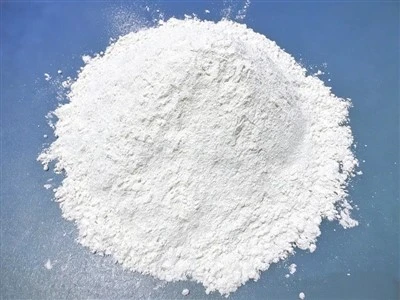
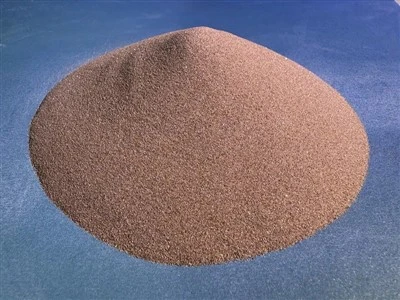
As a ceramic materials supplier, we offer a wide range of products that are suitable for use in microwave devices. Our Ceramic Raw Materials are carefully selected and processed to ensure high purity and consistent quality. These raw materials are used to manufacture a variety of ceramic products, including substrates, resonators, and antennas.
Our Ceramic Glaze Materials are designed to provide a protective and decorative coating for ceramic components. These glazes can enhance the mechanical and electrical properties of the ceramics, as well as improve their resistance to corrosion and wear.
We also offer Sanitary Ware Raw Material for the production of high-quality sanitary ware products. These raw materials are formulated to meet the specific requirements of the sanitary ware industry, ensuring excellent performance and durability.
In addition, our Ceramic Opacifiers Powder is used to improve the opacity and whiteness of ceramic products. This powder can be added to the ceramic glaze or body to enhance the visual appearance of the products.
Contact Us for Procurement
If you are interested in using ceramic materials in your microwave devices, we invite you to contact us for procurement. Our team of experts is ready to assist you in selecting the right ceramic materials for your specific application and providing you with technical support and guidance. We are committed to delivering high-quality products and excellent customer service, and we look forward to working with you to meet your ceramic material needs.
References
- "Microwave Engineering" by David M. Pozar
- "Ceramic Materials: Science and Engineering" by W. D. Kingery, H. K. Bowen, and D. R. Uhlmann
- "Antenna Theory: Analysis and Design" by Constantine A. Balanis