As a supplier of Ceramic Glaze Materials, I've often been asked about the recyclability of these materials. This question is not only relevant to environmental concerns but also to the long - term sustainability of the ceramic industry. In this blog, I'll delve into the science behind ceramic glaze materials and explore whether they can be recycled.
Understanding Ceramic Glaze Materials
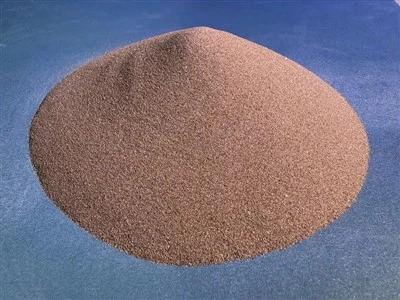
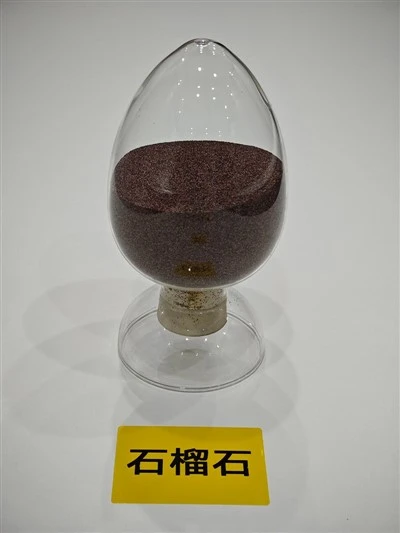
Ceramic glaze materials are a complex mixture of various substances that are applied to ceramic surfaces to give them color, texture, and protection. These materials typically include Ceramic Raw Materials such as silica, feldspar, clay, and various metal oxides. Each component plays a crucial role in determining the final properties of the glaze.
Silica is the main glass - forming oxide in glazes. It provides the basic structure and hardness to the glaze. Feldspar acts as a flux, lowering the melting point of the glaze mixture and allowing it to flow evenly over the ceramic surface during firing. Clay helps in suspending other particles in the glaze slurry and provides some plasticity. Metal oxides are responsible for the color of the glaze. For example, cobalt oxide gives a blue color, while iron oxide can produce a range of colors from yellow to brown to red depending on the firing conditions.
The Recycling Process of General Materials
Before discussing the recyclability of ceramic glaze materials, it's important to understand the general principles of recycling. Recycling is the process of converting waste materials into new products to reduce waste generation and conserve natural resources. There are different types of recycling, including mechanical recycling, chemical recycling, and energy recovery.
Mechanical recycling involves breaking down materials into smaller pieces and then re - processing them into new products. This method is commonly used for materials like plastic, glass, and metal. Chemical recycling, on the other hand, uses chemical processes to break down materials into their basic components and then recombines them to form new materials. Energy recovery involves using waste materials as a source of energy, usually through incineration.
Challenges in Recycling Ceramic Glaze Materials
Recycling ceramic glaze materials is not as straightforward as recycling some other materials. One of the main challenges is the high firing temperature required to form the glaze. Once a ceramic piece is fired, the glaze undergoes a chemical transformation and forms a hard, glassy layer that is difficult to break down.

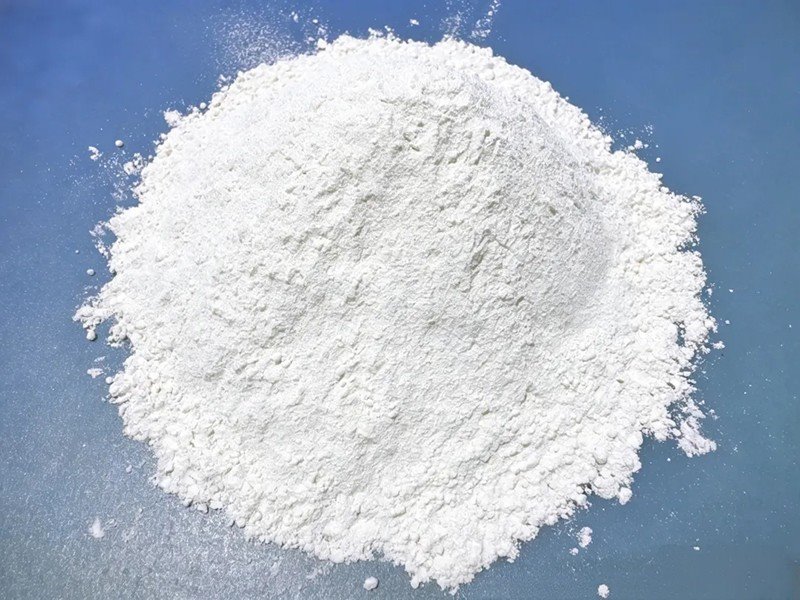
The complex chemical composition of ceramic glazes also poses a challenge. Different glazes contain a wide variety of metal oxides and other additives, which can make it difficult to separate and purify the components for reuse. Additionally, the presence of heavy metals in some glazes, such as lead and cadmium, can be a concern for environmental and health reasons. If these heavy metals are not properly managed during the recycling process, they can leach into the environment and cause pollution.
Potential Recycling Methods
Despite the challenges, there are some potential methods for recycling ceramic glaze materials.
Reusing Glaze Slurry
In a ceramic manufacturing facility, one of the simplest ways to recycle glaze materials is to reuse the glaze slurry. Glaze slurry is the mixture of glaze materials and water that is applied to the ceramic pieces. During the application process, some of the glaze slurry may drip off or be left over in the containers. This excess glaze slurry can be collected, filtered to remove any debris, and then reused in subsequent production runs.
Grinding and Re - Firing
Another method is to grind the fired ceramic pieces with the glaze into a fine powder and then re - fire it to form new glaze. However, this method requires careful control of the firing conditions to ensure that the new glaze has the desired properties. The grinding process also needs to be precise to achieve a uniform particle size, which is crucial for the quality of the new glaze.
Chemical Extraction
Chemical extraction can be used to separate the different components of the ceramic glaze. This method involves using chemical solvents or reagents to dissolve the glaze and then separating the individual components through processes such as precipitation or filtration. However, chemical extraction can be expensive and may generate additional waste in the form of chemical by - products.
The Role of Recycling in the Ceramic Industry
Recycling ceramic glaze materials has several benefits for the ceramic industry. Firstly, it helps to reduce the consumption of raw materials. By reusing glaze materials, manufacturers can decrease their dependence on virgin Ceramic Raw Materials, which are often non - renewable resources. This not only helps to conserve natural resources but also reduces the environmental impact associated with mining and processing these raw materials.
Secondly, recycling can help to reduce waste generation. In the ceramic industry, a significant amount of waste is generated in the form of defective products, over - sprayed glaze, and leftover glaze slurry. By recycling these materials, manufacturers can minimize the amount of waste sent to landfills, which is beneficial for the environment.
Applications of Recycled Ceramic Glaze Materials
Recycled ceramic glaze materials can be used in a variety of applications. In the production of Sanitary Ware Raw Material, recycled glaze can be used to create new products with similar aesthetic and functional properties as those made from virgin materials. The recycled glaze can also be used in the production of decorative ceramic items, such as tiles and vases.
In addition, recycled ceramic glaze materials can be used in the development of Ceramic Opacifiers Powder. Opacifiers are used to make the glaze opaque, which is often desired for certain ceramic products. By using recycled glaze materials, manufacturers can produce opacifiers in a more sustainable way.
Conclusion
Recycling ceramic glaze materials is a challenging but achievable goal. While there are technical difficulties associated with breaking down and reusing the fired glaze, there are also several potential methods that can be explored. As a Ceramic Glaze Materials supplier, I believe that promoting recycling is not only beneficial for the environment but also for the long - term viability of the ceramic industry.
If you're interested in learning more about our ceramic glaze materials or have any questions about recycling, I encourage you to reach out to us for a procurement discussion. We're committed to providing high - quality products and supporting sustainable practices in the ceramic industry.
References
- "Ceramics: Science and Technology" by J. Reed
- "Recycling in the Ceramic Industry" - Journal of Sustainable Materials Management