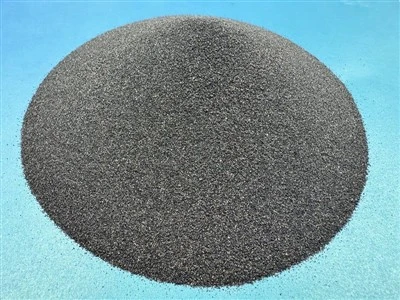
Hey there! As a supplier of Refractory Zircon Powder, I've been getting a lot of questions about its purity. So, I thought I'd take some time to break it down and give you a clear understanding of what the purity of Refractory Zircon Powder really means.
What is Refractory Zircon Powder?
First off, let's quickly go over what Refractory Zircon Powder is. It's a type of powder made from zircon, which is a mineral. Zircon has some really cool properties that make it super useful in a bunch of industries. It can withstand really high temperatures, which is why it's often used in refractory applications. That means it can be used to line furnaces, kilns, and other high - temperature equipment without melting or degrading easily.
Understanding Purity
The purity of Refractory Zircon Powder is basically about how much of the powder is actually zircon and how much are other impurities. When we talk about purity, we're usually referring to the percentage of zirconium silicate (ZrSiO₄) in the powder. A higher purity means there's more zirconium silicate and fewer other elements or compounds.
Why does purity matter? Well, it has a big impact on the performance of the powder. In high - temperature applications, impurities can cause all sorts of problems. They might lower the melting point of the powder, make it more likely to react with other substances, or reduce its overall strength. So, for most industrial uses, a high - purity Refractory Zircon Powder is preferred.
Measuring Purity
There are a few different ways to measure the purity of Refractory Zircon Powder. One common method is chemical analysis. This involves using techniques like X - ray fluorescence (XRF) or inductively coupled plasma mass spectrometry (ICP - MS). These methods can accurately determine the amount of zirconium silicate and other elements in the powder.
Another way is through physical testing. For example, we can look at the density and particle size distribution of the powder. Pure zircon powder has specific density and particle characteristics, so deviations from these can indicate the presence of impurities.
Different Grades of Purity
In the market, you'll find Refractory Zircon Powder with different levels of purity. There are industrial - grade powders, which usually have a purity of around 95% - 97%. These are great for general industrial applications where high - temperature resistance is needed but the requirements aren't extremely strict. You can find more information about Industrial Zircon Powder.
Then there are composite - grade powders. These are often a blend of zircon with other materials to enhance certain properties. The purity of these can vary depending on the composition, but they're designed to offer a balance between cost and performance. Check out Composite Zircon Powder for more details.
And finally, there's high - purity zirconium silicate. This stuff has a purity of 98% or higher and is used in applications where the highest level of performance is required, like in some high - tech industries. You can learn more about High Purity Zirconium Silicate.
Factors Affecting Purity
A few things can affect the purity of Refractory Zircon Powder. The source of the zircon is a big one. Different mines have different qualities of zircon ore. Some ores might have more impurities naturally, which means the resulting powder will have a lower purity.
The processing method also matters. How the zircon is mined, crushed, and refined can all impact the final purity. For example, if the refining process isn't done properly, some impurities might remain in the powder.
Benefits of High - Purity Refractory Zircon Powder
Using high - purity Refractory Zircon Powder has a lot of benefits. In high - temperature applications, it provides better thermal stability. That means the equipment lined with it can operate at higher temperatures for longer periods without any issues.
It also has better chemical resistance. This is important because in many industrial processes, the powder might come into contact with various chemicals. A high - purity powder is less likely to react with these chemicals, which helps to extend the life of the equipment.
Applications of Different Purity Levels
As I mentioned earlier, different purity levels are used in different applications. Industrial - grade powder is commonly used in the steel and glass industries. In steelmaking, it's used to line the ladles and furnaces. In the glass industry, it can be used in the production of special glasses that require high - temperature resistance.
Composite - grade powder is often used in the ceramics industry. It can be added to ceramic formulations to improve their strength and heat resistance.


High - purity zirconium silicate is used in more specialized applications. For example, it's used in the production of some types of electronic components, where the highest level of purity is needed to ensure proper performance.
Our Role as a Supplier
As a supplier of Refractory Zircon Powder, we take purity very seriously. We source our zircon from high - quality mines and use advanced processing techniques to ensure that our powders have the highest possible purity. We also conduct rigorous quality control tests to make sure that every batch of powder meets our customers' requirements.
If you're in the market for Refractory Zircon Powder, whether it's industrial - grade, composite - grade, or high - purity zirconium silicate, we can help. We have a wide range of products to choose from, and we're always happy to work with you to find the right solution for your specific needs.
Conclusion
So, to sum it up, the purity of Refractory Zircon Powder is all about the percentage of zirconium silicate in the powder. Higher purity means better performance in high - temperature and chemical - resistant applications. There are different grades of purity available, each with its own set of uses.
If you're interested in learning more about our Refractory Zircon Powder products or if you want to discuss a potential purchase, don't hesitate to reach out. We're here to help you get the best - quality powder for your business.
References
- "Zirconium and Its Alloys" by John R. Davis
- "Industrial Ceramics: Properties, Processing, and Applications" by David W. Richerson