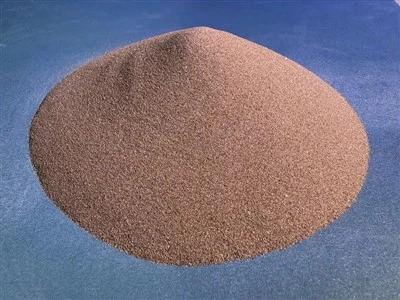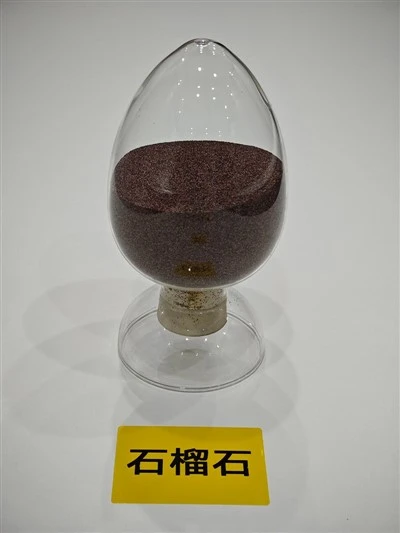
Ilmenite fine powder, a mineral powder with a wide range of industrial applications, is a key product we supply. Understanding how ilmenite fine powder interacts with other substances is essential for various industries, from metallurgy to ceramics and chemical manufacturing. In this blog, we will delve into the fascinating world of ilmenite fine powder's interactions with different substances.
Interaction with Metals
In the metallurgical industry, ilmenite fine powder plays a crucial role in the production of titanium alloys. When ilmenite is processed, it can be used as a source of titanium. Titanium is a valuable metal known for its high strength - to - weight ratio, corrosion resistance, and biocompatibility.
When ilmenite fine powder is mixed with other metals during the smelting process, it undergoes complex chemical reactions. For example, when combined with iron, the iron in ilmenite (FeTiO₃) can alloy with the additional iron, while the titanium can form various titanium - iron compounds. This interaction is carefully controlled to produce alloys with specific properties. The presence of ilmenite can enhance the hardness and corrosion resistance of the resulting alloy.
In the production of stainless steel, ilmenite fine powder can also be added in small amounts. The titanium in ilmenite can react with carbon and nitrogen in the steel, forming titanium carbides and nitrides. These compounds help to refine the grain structure of the steel, improving its strength and toughness. This interaction is a well - studied area in metallurgy, and our Ilmenite Concentrate Powder is often sought after by steel manufacturers for this purpose.
Interaction with Chemicals
Ilmenite fine powder is highly reactive in certain chemical environments. In the presence of strong acids, such as sulfuric acid, ilmenite undergoes a series of chemical reactions. The main reaction is the dissolution of ilmenite, where the iron and titanium in ilmenite react with sulfuric acid to form iron sulfate and titanium sulfate.
This reaction is the basis for the sulfate process of titanium dioxide production. Titanium dioxide is a widely used pigment in the paint, plastics, and paper industries. The interaction between ilmenite and sulfuric acid is carefully optimized to ensure high yields of titanium sulfate, which can then be further processed to obtain pure titanium dioxide.
In alkaline environments, ilmenite also shows some reactivity. Although the reaction rate is slower compared to acidic conditions, the surface of ilmenite can be modified by alkaline solutions. This can be used in some applications where surface modification is required, such as in the preparation of catalysts or adsorbents.
Interaction with Other Mineral Powders
When ilmenite fine powder is mixed with other mineral powders, unique physical and chemical interactions occur. For example, when combined with Garnet Abrasive Grit, the two can work together in abrasive applications. Garnet is a well - known abrasive material, and the addition of ilmenite can enhance the abrasive performance in some cases. The combination of the two may change the hardness distribution and cutting ability of the abrasive mixture.
In ceramic production, ilmenite fine powder can be mixed with other ceramic raw materials, such as clay and feldspar. The titanium in ilmenite can react with the other components during firing. This interaction can affect the color, density, and mechanical properties of the final ceramic product. For example, in some cases, it can produce unique color effects in ceramic glazes.
Interaction with Rutile - Related Powders
Rutile is another important titanium - containing mineral. When ilmenite fine powder is compared or combined with Rutile Fine Powder and Chemical Grade Rutile Micro Powder, interesting interactions take place.
In the production of titanium - based products, both ilmenite and rutile are used as raw materials. Rutile generally has a higher titanium dioxide content than ilmenite. When combining the two, the goal is often to optimize the titanium grade and cost. The interaction between ilmenite and rutile in the production process can affect the quality and properties of the final product. For example, in the production of titanium sponge, the ratio of ilmenite to rutile can be adjusted to control the impurity content and the crystal structure of the titanium sponge.
Interaction with Abrasive Garnet Sand
Abrasive Garnet Sand is a popular abrasive medium in various industries, such as sandblasting and waterjet cutting. When ilmenite fine powder is mixed with abrasive garnet sand, it can change the abrasive properties of the mixture.
Ilmenite can increase the density of the abrasive mixture, which may lead to a more efficient cutting or cleaning process. The hardness and angularity of ilmenite can also influence the abrasive action. In sandblasting applications, the combination of ilmenite and garnet sand can provide a more aggressive and uniform abrasive effect on the surface being treated.
Conclusion and Call to Action
The interactions of ilmenite fine powder with other substances are diverse and complex, offering a wide range of possibilities for various industries. Whether it is in metallurgy, chemical manufacturing, ceramics, or abrasive applications, understanding these interactions is crucial for optimizing product performance and process efficiency.
As a reliable supplier of ilmenite fine powder, we are dedicated to providing high - quality products that meet the specific needs of our customers. Our ilmenite fine powder has been carefully processed to ensure consistent quality and reactivity. If you are in an industry that could benefit from the unique properties of ilmenite fine powder and its interactions with other substances, we encourage you to contact us for further discussion and potential procurement. Our team of experts is ready to assist you in finding the best solutions for your applications.


References
- "Mineral Processing and Extractive Metallurgy Review" - A comprehensive academic journal that covers research on ilmenite processing and its interactions.
- "Handbook of Ceramics Raw Materials" - This book provides in - depth information on the use of ilmenite in ceramic production and its interactions with other raw materials.
- "Metallurgical Thermodynamics" - Offers theoretical knowledge on the chemical reactions of ilmenite in metallurgical processes.