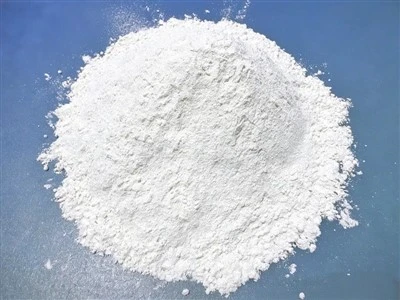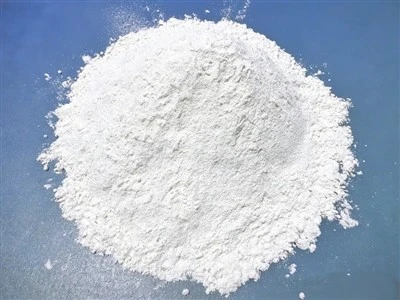
Hey there! As a supplier of Ilmenite Fine Powder, I've been getting a lot of questions lately about how it affects the adhesion of coatings. So, I thought I'd take some time to share my knowledge and experiences on this topic.
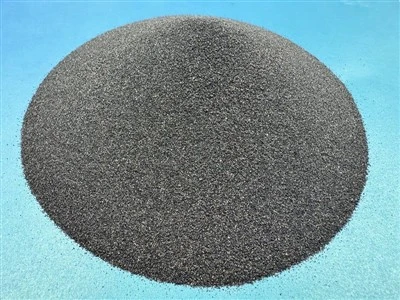
First off, let's talk a bit about what Ilmenite Fine Powder is. Ilmenite is a titanium-iron oxide mineral, and when it's processed into a fine powder, it has a whole bunch of uses, especially in the coatings industry. We offer different types of related products too, like Chemical Grade Rutile Micro Powder, Garnet Fine Powder, Ilmenite Concentrate Powder, Rutile Fine Powder, and Garnet Abrasive Grit.
Now, let's get into how Ilmenite Fine Powder impacts coating adhesion. One of the key factors is its chemical composition. Ilmenite contains titanium and iron, which can have some pretty cool effects on the coating. Titanium is known for its high chemical stability and good resistance to corrosion. When it's incorporated into a coating, it can form a protective layer on the surface, which helps the coating stick better to the substrate.
For example, in some industrial coatings, the titanium in Ilmenite Fine Powder can react with the oxygen in the air to form a thin oxide layer. This oxide layer acts as a sort of bridge between the coating and the substrate, improving the adhesion. The iron in Ilmenite can also play a role. It can enhance the electrochemical properties of the coating, which in turn can lead to better adhesion, especially in environments where there might be some electrical activity.
Another aspect is the particle size of the Ilmenite Fine Powder. The finer the powder, the more surface area it has. This increased surface area allows for more contact between the powder and the coating matrix. When the powder is well - dispersed in the coating, it can create a more uniform and stronger bond with the substrate. For instance, if you're using a paint coating, a fine Ilmenite powder can fill in the tiny pores and irregularities on the surface of the substrate. This filling action not only provides a smoother surface for the coating to adhere to but also increases the mechanical interlocking between the coating and the substrate.
However, it's not all smooth sailing. There are some challenges too. If the Ilmenite Fine Powder is not properly dispersed in the coating, it can lead to clumping. These clumps can create weak spots in the coating, reducing its adhesion. So, it's crucial to use the right mixing techniques and additives to ensure that the powder is evenly distributed throughout the coating.
The amount of Ilmenite Fine Powder used in the coating also matters. If you add too much, it can change the viscosity of the coating. A coating that's too thick may not spread evenly on the substrate, and this can result in poor adhesion. On the other hand, if you don't add enough, you may not get the full benefits of the powder in terms of adhesion improvement.
Let's look at some real - world applications. In the marine industry, coatings are used to protect ships from corrosion. Ilmenite Fine Powder can be added to these coatings to enhance their adhesion to the metal surfaces of the ship. The titanium in the powder helps prevent the formation of rust, and the improved adhesion ensures that the coating stays in place even in harsh marine environments.
In the automotive industry, coatings are used for both aesthetic and protective purposes. Ilmenite Fine Powder can be incorporated into automotive paints to improve their adhesion to the car body. This not only makes the paint look better but also provides long - term protection against scratches and environmental damage.


Now, I know some of you might be wondering how to choose the right Ilmenite Fine Powder for your coating needs. Well, it depends on a few things. First, consider the type of substrate you'll be applying the coating to. Different substrates have different surface properties, and you'll need a powder that can interact well with them. For example, if you're coating a metal substrate, you might need a powder with a higher iron content to enhance the electrochemical adhesion.
Second, think about the environment in which the coated object will be used. If it's going to be in a high - humidity or corrosive environment, you'll want a powder with good corrosion - resistant properties, like one with a high titanium content.
We've done a lot of testing in our lab to make sure our Ilmenite Fine Powder meets the highest standards. We've compared it with other similar products on the market, and our powder consistently shows better performance in terms of improving coating adhesion.
If you're in the coatings industry and are looking for a reliable source of Ilmenite Fine Powder, I'd love to talk to you. Whether you're working on a small - scale project or a large - scale industrial application, we can provide you with the right product and support. Don't hesitate to reach out if you have any questions or if you want to discuss your specific needs. We're here to help you get the best results with your coatings.
In conclusion, Ilmenite Fine Powder can have a significant impact on the adhesion of coatings. Its chemical composition, particle size, and proper usage all play important roles in determining how well it works. By choosing the right powder and using it correctly, you can improve the performance and durability of your coatings. So, if you're interested in giving our Ilmenite Fine Powder a try, just let me know.
References
- Some research papers on the use of titanium - containing minerals in coatings
- Industry reports on the performance of different powder additives in coatings