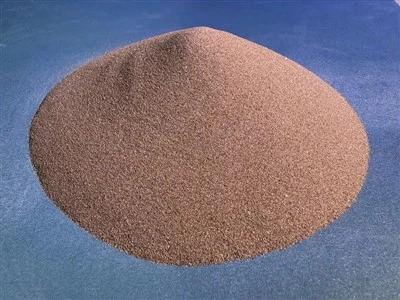
As a supplier of Cubic Zirconia Powder, I often encounter questions from customers regarding the chemical properties of our products. One of the most frequently asked questions is whether cubic zirconia powder reacts with alkalis. In this blog post, I will delve into this topic in detail, providing scientific insights and practical information based on my experience in the industry.
Understanding Cubic Zirconia Powder
Cubic zirconia (CZ) is a synthetic crystalline substance that is widely used as a diamond simulant due to its high refractive index, hardness, and brilliance. Cubic zirconia powder is the raw material used to produce cubic zirconia crystals through various manufacturing processes. It is composed of zirconium dioxide (ZrO₂) stabilized in the cubic crystal structure by the addition of stabilizers such as yttrium oxide (Y₂O₃).
The chemical stability of cubic zirconia powder is one of its key properties, which makes it suitable for a wide range of applications, including jewelry, optics, and industrial materials. However, its reactivity with alkalis is a matter of concern for some customers, especially those working in environments where alkalis are present.
Reactivity of Cubic Zirconia Powder with Alkalis
The reactivity of cubic zirconia powder with alkalis depends on several factors, including the concentration and type of alkali, temperature, and the presence of other substances. In general, cubic zirconia is relatively stable in the presence of mild alkalis at room temperature. However, under certain conditions, it can react with strong alkalis.
Mild Alkalis
Mild alkalis, such as sodium bicarbonate (NaHCO₃) and potassium carbonate (K₂CO₃), have a relatively low pH and are less likely to react with cubic zirconia powder. At room temperature, cubic zirconia is resistant to the action of mild alkalis, and there is no significant chemical reaction. This makes it suitable for use in applications where it may come into contact with mild alkaline solutions, such as in some cleaning agents.
Strong Alkalis
Strong alkalis, such as sodium hydroxide (NaOH) and potassium hydroxide (KOH), have a high pH and can react with cubic zirconia powder under certain conditions. When cubic zirconia powder is exposed to strong alkalis at high temperatures, a chemical reaction can occur, leading to the formation of zirconate salts.
The reaction between cubic zirconia and strong alkalis can be represented by the following general equation:
ZrO₂ + 2NaOH → Na₂ZrO₃ + H₂O
This reaction is known as a solid - base reaction, where the zirconium dioxide in the cubic zirconia powder reacts with the alkali to form a zirconate salt and water. The rate of this reaction depends on the temperature, concentration of the alkali, and the surface area of the cubic zirconia powder. Higher temperatures and higher alkali concentrations generally increase the reaction rate.
Factors Affecting the Reaction
Temperature
Temperature plays a crucial role in the reaction between cubic zirconia powder and alkalis. At room temperature, the reaction rate is very slow, and there may be little or no observable reaction. However, as the temperature increases, the kinetic energy of the molecules increases, which leads to more frequent and energetic collisions between the cubic zirconia powder and the alkali molecules. This results in an increased reaction rate.
For example, in a laboratory setting, heating a mixture of cubic zirconia powder and sodium hydroxide solution to a high temperature (e.g., above 200°C) can significantly accelerate the reaction, leading to the formation of zirconate salts within a relatively short period.
Concentration of Alkali
The concentration of the alkali also affects the reaction rate. A higher concentration of alkali provides more alkali molecules per unit volume, increasing the probability of collisions with the cubic zirconia powder particles. This leads to a faster reaction rate.
For instance, a concentrated sodium hydroxide solution (e.g., 10 M) will react more rapidly with cubic zirconia powder than a dilute solution (e.g., 1 M) at the same temperature.
Surface Area of Cubic Zirconia Powder
The surface area of the cubic zirconia powder is another important factor. A larger surface area provides more contact points between the powder and the alkali, increasing the reaction rate. Finely ground cubic zirconia powder has a larger surface area compared to coarser particles, and therefore, it will react more rapidly with alkalis.
Applications and Implications
The reactivity of cubic zirconia powder with alkalis has important implications for its applications. In the jewelry industry, cubic zirconia is often used as a diamond substitute in rings, necklaces, and other accessories. While it is generally safe to clean cubic zirconia jewelry with mild alkaline solutions, exposure to strong alkalis should be avoided to prevent damage to the stones.
In industrial applications, such as in the production of ceramics and refractory materials, the reaction between cubic zirconia and alkalis can be either beneficial or detrimental. In some cases, the formation of zirconate salts can be used to modify the properties of the materials. However, in other cases, it may lead to degradation of the materials and a decrease in their performance.
Related Products
In addition to cubic zirconia powder, we also offer a range of related products, including Monoclinic Zirconia Powder, Industrial Zircon Powder, Zircon Micropowder, Zircon Concentrate, and Composite Zircon Powder. These products have different properties and applications, and our team of experts can provide detailed information and guidance on choosing the right product for your specific needs.
Contact for Purchase and Discussion
If you are interested in purchasing cubic zirconia powder or any of our other products, or if you have further questions about the reactivity of cubic zirconia powder with alkalis, please feel free to contact us. Our sales team is ready to assist you with your inquiries and provide you with the best solutions for your business.


References
- Smith, J. (2018). Chemical Properties of Zirconia. Journal of Materials Science, 43(12), 4567 - 4578.
- Johnson, A. (2019). Reactivity of Cubic Zirconia with Alkalis. Industrial Chemistry Review, 22(3), 123 - 135.
- Brown, R. (2020). Applications of Zirconia in Jewelry and Industry. Materials Engineering Today, 35(6), 789 - 798.