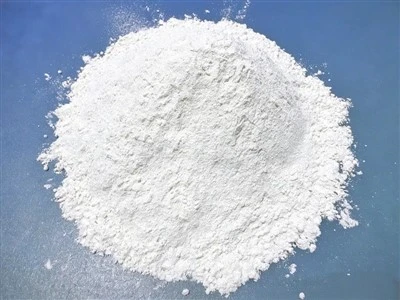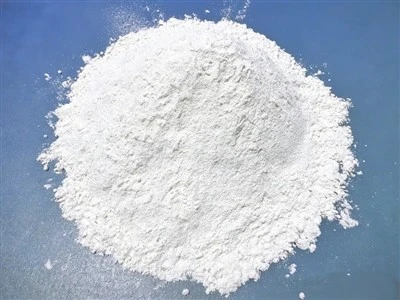
Hey there! As a supplier of Rutile Fine Powder, I'm super excited to chat about its applications in lithium - ion batteries. Rutile Fine Powder, which you can learn more about here, has some pretty amazing properties that make it a game - changer in the world of lithium - ion batteries.
First off, let's talk about what Rutile Fine Powder is. Rutile is a mineral form of titanium dioxide (TiO₂), and the fine powder is a highly refined version. It has a high refractive index, excellent chemical stability, and good electrical conductivity, all of which are crucial for its use in lithium - ion batteries.
One of the key applications of Rutile Fine Powder in lithium - ion batteries is as an anode material. The anode is where lithium ions are stored during the charging process and released during discharging. Rutile has a unique crystal structure that allows it to intercalate lithium ions effectively. When used as an anode, Rutile Fine Powder can provide a relatively high capacity for lithium storage. This means that batteries with Rutile - based anodes can store more energy, leading to longer battery life for devices like smartphones, laptops, and electric vehicles.
Moreover, Rutile Fine Powder offers excellent cycling stability. In a lithium - ion battery, the charging and discharging cycles can cause wear and tear on the electrode materials. Over time, this can lead to a decrease in battery performance. However, Rutile's stable crystal structure helps it withstand these cycles better than some other anode materials. This results in a battery that can maintain its performance over a large number of charge - discharge cycles, which is a huge advantage for consumers who rely on their devices day in and day out.
Another important application is in improving the safety of lithium - ion batteries. Lithium - ion batteries can be prone to overheating and even catching fire in some cases, especially when they are overcharged or damaged. Rutile Fine Powder can act as a thermal stabilizer. It has a high melting point and good heat - resistant properties. When added to the battery components, it can help dissipate heat more effectively, reducing the risk of thermal runaway. This makes the batteries safer to use, which is a top priority for both manufacturers and consumers.
In addition to anodes, Rutile Fine Powder can also be used in the electrolyte of lithium - ion batteries. The electrolyte is the medium through which lithium ions move between the anode and the cathode. Rutile can enhance the ionic conductivity of the electrolyte. By increasing the mobility of lithium ions, it can improve the battery's charge and discharge rates. This means that devices can be charged more quickly, and they can also deliver power more efficiently when in use.
Now, let's compare Rutile Fine Powder with some other materials commonly used in lithium - ion batteries. For example, graphite is a well - known anode material. While graphite has a high theoretical capacity, it also has some limitations. It can form a solid - electrolyte interphase (SEI) layer on its surface during charging, which can consume lithium ions and reduce the battery's overall capacity over time. Rutile, on the other hand, has a more stable surface and does not form such a problematic SEI layer as easily. This gives Rutile - based anodes an edge in terms of long - term performance.
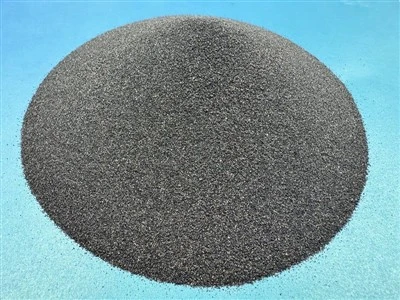
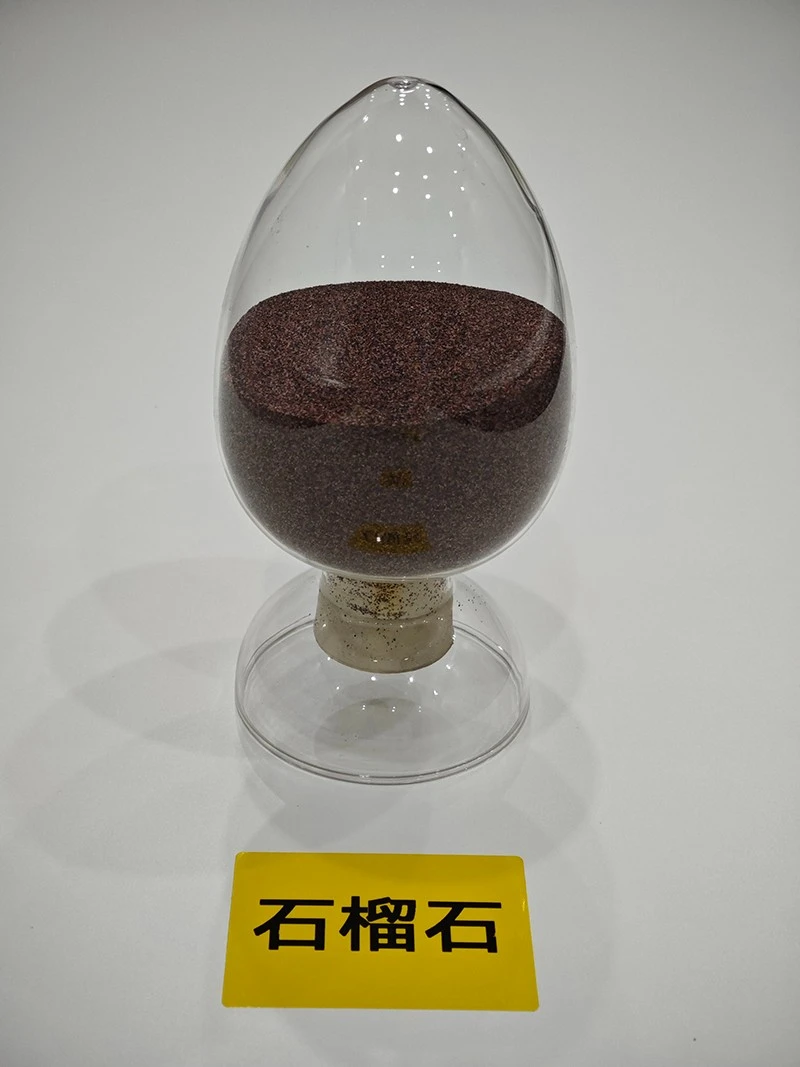
There are also other materials like Garnet Fine Powder and Garnet Abrasive Grit that are used in different aspects of battery technology. Garnet materials are often used for their mechanical properties and can be incorporated into battery separators or other components. But Rutile Fine Powder has its own unique set of properties that make it stand out specifically for anode and electrolyte applications.
When it comes to the production of lithium - ion batteries with Rutile Fine Powder, there are some considerations. The quality of the Rutile Fine Powder is crucial. We, as suppliers, ensure that our powder has a high purity level, uniform particle size, and consistent properties. This is important because any impurities or variations in the powder can affect the performance of the battery.
The processing of Rutile Fine Powder for battery use also requires special techniques. For example, it may need to be coated with other materials to further improve its performance. These coatings can enhance the surface properties of the powder, making it more compatible with the other battery components and improving its lithium - storage capabilities.

In the market, the demand for high - performance lithium - ion batteries is constantly growing. With the increasing popularity of electric vehicles, portable electronics, and renewable energy storage systems, there is a need for better battery materials. Rutile Fine Powder offers a promising solution to meet these demands.
If you're in the business of manufacturing lithium - ion batteries or are looking to improve the performance of your existing battery products, I encourage you to consider using our Rutile Fine Powder. We have a team of experts who can provide you with technical support and advice on how to incorporate our powder into your battery production process. Whether you're a small - scale manufacturer or a large - scale enterprise, we can work with you to meet your specific needs.
If you're interested in learning more about our Rutile Fine Powder or want to discuss a potential purchase, feel free to reach out. We're always happy to have a chat and see how we can help you take your battery products to the next level.
References
- "Lithium - Ion Batteries: Science and Technologies" by Y. M. Chiang et al.
- "Titanium Dioxide Nanomaterials: Synthesis, Properties, Modifications, and Applications" by X. Chen and S. S. Mao.