Can Ilmenite Fine Powder be used in the jewelry industry?
As a supplier of Ilmenite Fine Powder, I've often been asked about its potential applications, and one question that frequently comes up is whether it can be used in the jewelry industry. In this blog post, I'll explore this topic in detail, looking at the properties of ilmenite fine powder, its current uses, and the feasibility of its application in jewelry.
Properties of Ilmenite Fine Powder
Ilmenite is a titanium-iron oxide mineral with the chemical formula FeTiO₃. When processed into fine powder, it retains several key properties that could potentially make it interesting for the jewelry industry.
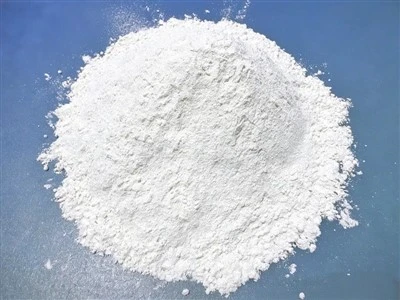
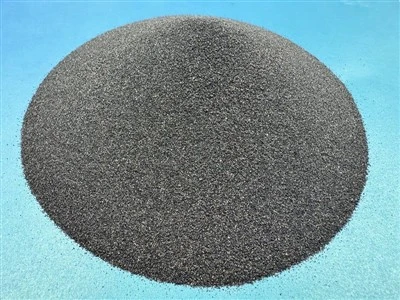
One of the notable features of ilmenite fine powder is its color. It typically has a black to brownish-black color, which can add a unique and earthy aesthetic to jewelry pieces. This color can be quite appealing for those who are looking for something different from the traditional gold, silver, and gemstone jewelry.


In terms of hardness, ilmenite has a Mohs hardness of around 5 - 6.5. While it's not as hard as some gemstones like diamonds (Mohs hardness of 10), it is still relatively hard and can withstand normal wear and tear to a certain extent. This makes it potentially suitable for use in jewelry that is not likely to be subjected to extreme abrasion.
Another important property is its density. Ilmenite has a relatively high density, which can give jewelry made from it a substantial and solid feel. This can be an advantage in creating pieces that feel substantial in the hand and have a certain heft to them.
Current Uses of Ilmenite Fine Powder
Before delving into its potential in the jewelry industry, it's important to understand the current uses of ilmenite fine powder.
Ilmenite is primarily used as a source of titanium dioxide (TiO₂), which is widely used in the paint, paper, and plastics industries. The fine powder is processed to extract titanium, which is then used to produce titanium dioxide, a white pigment known for its high opacity and brightness.
In addition to its use in the chemical industry, ilmenite fine powder is also used in the production of welding electrodes. Its unique properties make it suitable for use in this application, where it helps to improve the performance and quality of the welding process.
There are also other niche applications, such as in the production of Chemical Grade Rutile Micro Powder, Garnet Fine Powder, Rutile Fine Powder, Ilmenite Concentrate Fines, and Abrasive Garnet Sand. These products are used in various industries, including abrasives, ceramics, and refractory materials.
Feasibility of Using Ilmenite Fine Powder in the Jewelry Industry
Now, let's consider the feasibility of using ilmenite fine powder in the jewelry industry.
Aesthetic Appeal
As mentioned earlier, the black to brownish-black color of ilmenite fine powder can offer a unique and alternative aesthetic for jewelry. It can be used to create statement pieces that stand out from the crowd. For example, it could be used to make beads, pendants, or inlays in rings and bracelets. The earthy color can also be paired with other materials, such as wood or leather, to create a more natural and rustic look.
Durability
While ilmenite is not as hard as some gemstones, its hardness of 5 - 6.5 on the Mohs scale means that it can be used in jewelry that is not likely to be scratched easily. However, it's important to note that it may not be suitable for use in jewelry that will be subjected to a lot of rough handling, such as engagement rings or bracelets that are worn during physical activities.
Cost
One of the potential advantages of using ilmenite fine powder in jewelry is its cost. Compared to precious metals and gemstones, ilmenite is relatively inexpensive. This can make it an attractive option for jewelry designers who are looking to create affordable pieces without sacrificing quality or style.
Processing and Manufacturing
Using ilmenite fine powder in jewelry requires some specialized processing and manufacturing techniques. For example, it may need to be mixed with a binder to form a solid material that can be shaped into jewelry pieces. This process requires careful control to ensure that the final product has the desired properties and appearance.
Market Acceptance
The success of using ilmenite fine powder in the jewelry industry also depends on market acceptance. Consumers may be hesitant to purchase jewelry made from a less well-known material. However, with effective marketing and education, it may be possible to introduce ilmenite jewelry to the market and create a demand for it.
Challenges and Considerations
While there are potential benefits to using ilmenite fine powder in the jewelry industry, there are also some challenges and considerations that need to be addressed.
Allergies
Some people may be allergic to certain metals or minerals in ilmenite. It's important to conduct thorough testing to ensure that the jewelry is safe for wear. This may involve testing for skin sensitivity and ensuring that the powder is free from any harmful contaminants.
Color Stability
The color of ilmenite fine powder may change over time, especially if it is exposed to certain chemicals or environmental conditions. This can affect the appearance of the jewelry and may require additional measures to ensure color stability.
Regulatory Requirements
The use of ilmenite fine powder in jewelry may be subject to certain regulatory requirements. For example, there may be restrictions on the use of certain metals or minerals in jewelry, especially if they are considered to be hazardous. It's important to ensure that the jewelry meets all relevant regulatory standards.
Conclusion
In conclusion, while there are some challenges and considerations, ilmenite fine powder has the potential to be used in the jewelry industry. Its unique color, relatively high hardness, and low cost make it an attractive option for jewelry designers. However, further research and development are needed to address the challenges and ensure that the jewelry meets the highest standards of quality and safety.
If you're interested in exploring the use of ilmenite fine powder in your jewelry designs or have any questions about our products, I encourage you to reach out to us for a procurement discussion. We're committed to providing high-quality ilmenite fine powder and working with you to develop innovative jewelry solutions.
References
- Deer, W. A., Howie, R. A., & Zussman, J. (1992). Rock-forming minerals. Longman Scientific & Technical.
- Nesse, W. D. (2000). Introduction to mineralogy. Oxford University Press.